
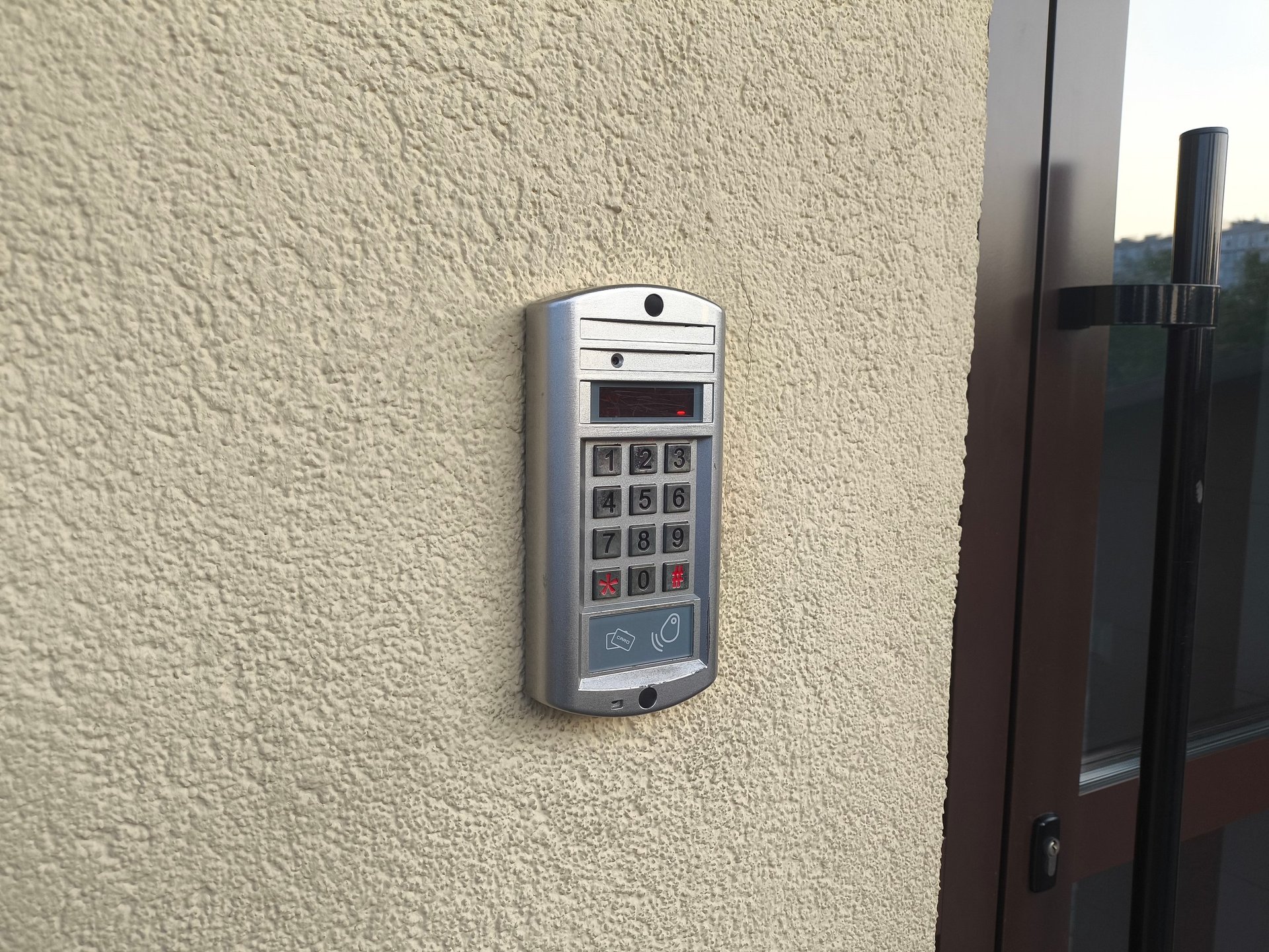
South Lamar Access Control, From Ground-Floor Retail to Amenity Decks
A corridor rebuilding itself around mixed-use: apartments over shops, shared amenities, and old-Austin businesses holding their ground between the cranes. Every one of those buildings runs on controlled doors.
Why ZML on South Lamar
A Corridor Half Built and Fully Occupied
South Lamar is Austin's remodel in progress. The boulevard runs from Zilker and the river down to the Ben White interchange, and along it the strip-mall era is giving way to mixed-use blocks: apartments over ground-floor retail, offices over restaurants, shared garages and amenity decks in between. Brodie Oaks at the Loop 360 end has approval to become a district in its own right, while institutions like the Broken Spoke carry on exactly as they always have between the new builds.
Buildings like these are access control from the foundations up. Residents, retail staff, restaurant crews, cleaners, contractors and delivery drivers all move through the same structure with completely different rights. ZML Access Control is rated 5.0 on Google and insured, and works both sides of this corridor: the new mixed-use stock and the standalone businesses that predate it.
A free security audit walks the building with you, whichever kind it is.
Security on South Lamar
Many Users, One Building, Different Rights
Mixed-use is the hardest access problem on this corridor, and it is entirely solvable. Card, fob and mobile credentials let one system carry residents, commercial tenants and staff at once, each scoped to their own doors, floors and hours, with amenity spaces such as gyms, pools and roof decks controlled per resident and switched off at move-out. Property managers get a record of use on shared doors, which turns disputes and losses from arguments into lookups.
Ground-floor businesses have the standard retail and hospitality pattern: keypad codes on staff and stock doors that change with the roster, electric strikes bringing existing doors under control, and magnetic locks on the glass frontages the new buildings favor. Every controlled door carries exit hardware that keeps the way out instant, and back-of-house rooms that need certainty about individuals, cash offices and stores among them, take biometric readers.
The construction churn itself creates work: contractor access during fit-outs, temporary credentials that actually expire, and handover from builder to operator without a bag of unaccounted keys.
What We Install Here
Both Halves of the Corridor
Mixed-Use and Apartment Buildings
Entrances, amenity spaces, garages and service doors on one system, with credentials scoped per resident and per tenant.
Ground-Floor Retail and Restaurants
Staff, stock and office doors controlled behind the trading floor, on codes that keep pace with the roster.
Standalone and Long-Standing Businesses
The corridor's originals, secured properly without being made to look like the new builds.
Fit-Outs and Handovers
Contractor access during works, temporary credentials that expire on schedule, and clean handover with no stray keys.
Where We Cover
The Boulevard End to End
We cover the full South Lamar corridor from the Zilker end down to Ben White, the Brodie Oaks and Loop 360 junction, and the side streets between the boulevard and the neighborhoods either side. Zilker, Bouldin Creek and South First border this patch and we work all of them, so we are nearby most days. Same-day emergency response, 24 hours a day.
Common Questions
South Lamar Access Control FAQs
Yes, that is what modern access control is designed for. Each group's credentials are scoped to their own doors and hours: residents reach their floors and amenities, retail staff reach their unit and service doors, and neither crosses into the other's space. Move-outs and staff changes are handled by deleting credentials, not changing locks.
Yes. Amenity doors run on the same credentials as the building entrance, with access per resident and, where wanted, per schedule. When someone moves out, their amenity access ends with their credential, and the record of use is there if the property manager ever needs it.
With credentials or codes that are scoped to the work area and set to expire. The contractor gets access for the duration, the expiry does the collecting, and there is a record of use while the works run. It is a cleaner arrangement than site keys in every way.
It depends on the number of doors, the resident and tenant count, the credential type and how much wiring the building's construction allows for. A ground-floor shop is a very different job to a full residential building with amenities. We quote after a free site audit, with clear pricing and no hidden fees.
Possibly, and we will say so if it is. Plenty of long-standing premises need one or two doors controlled and nothing more. The free audit gives you a straight answer sized to your building, not a pitch sized to the new builds next door.
“He provided an effective and affordable solution to provide secure and easy access for my tenants. They are also very responsive with inquires and following up on questions I had about they access control system they installed.”Samuel Adams, Google review
Get Every Door in the Building Accounted For
Tell us about your property and what you need. We will put together a clear, no-obligation quote. There is no charge and no pressure.