
Magnetic Locks for Austin's Commercial Doors
The strongest hold you can put on a commercial door, and the install where the exit side matters just as much as the locked side.
The Basics
How a Magnetic Lock Holds a Door
A magnetic lock, or maglock, is an electromagnet fixed to the door frame and a steel armature plate fixed to the door. Power the magnet and the two clamp together. Cut the power and they release instantly.
There are no moving parts. Nothing to wear out, nothing to jam, nothing to seize up. That is why maglocks turn up on the doors that get used hardest, and why they hold up well in buildings where a mechanical lock would be worn out inside a year.
They are also the strongest option available. Commercial units are typically rated somewhere between 600 and 1,200 pounds of holding force, with higher rated models available where the door and the risk justify it. We match the rating to the door rather than fitting the biggest unit on the shelf.
The Part That Gets Missed
A Maglock Is Always Fail-Safe
A magnetic lock needs power to stay locked. Lose power and the door releases. That is not a weakness, it is how they work, and it is the single most important thing to understand before one goes on your building.
It means every maglock installation is really two jobs. The first is holding the door. The second is making certain people can always get out, every time, without thinking about it. The release hardware on the inside has to be right: a request to exit sensor, a push button, or a panic bar wired to drop the magnet. We cover the options in more detail on our page about exit devices and emergency egress.
This is where a lot of maglock installs go wrong, and it is not a corner worth cutting. We plan the exit side of every door with you before we fit anything, and we work with your fire and life safety requirements rather than around them.
Where They Work Best
Doors We Fit Magnetic Locks To
Glass Entrances
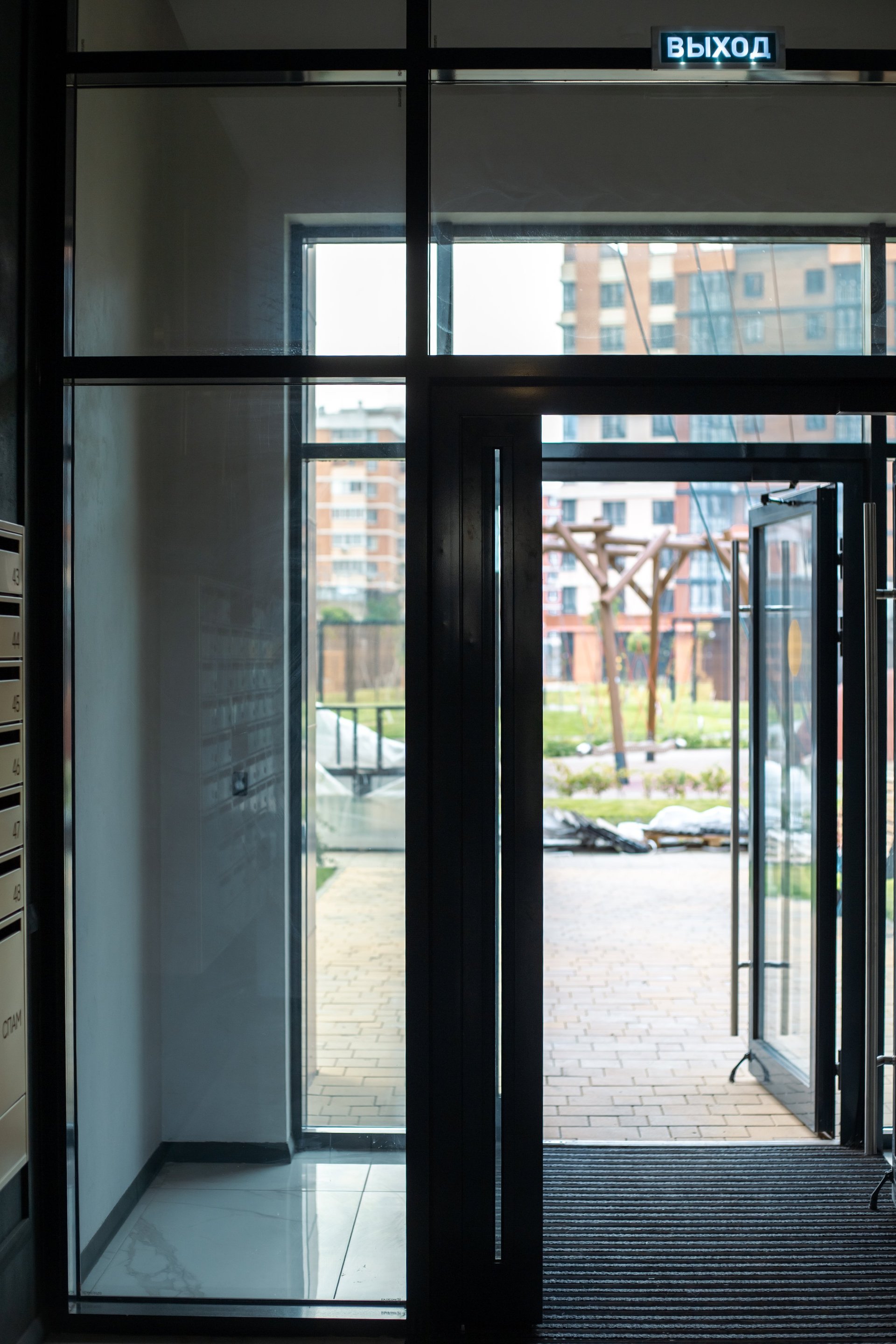
Frameless and aluminium glass doors often have nowhere to fit a strike. A maglock mounts to the header instead, which makes it the practical answer on a lot of Austin storefronts and office lobbies.
High-Traffic Doors
Doors that cycle hundreds of times a day. No latch, no moving parts, nothing that wears through from constant use.
Perimeter and Exterior Doors
Where holding force is the priority and the door needs to stay shut against being forced or pulled.
Apartment and Hotel Common Doors
Shared entrances, mail rooms, pool gates and amenity areas where residents need access and everyone else does not.
The Service
Specified, Fitted and Tested Properly
We install magnetic locks across Austin and Central Texas on new systems and as upgrades to existing doors. That covers specifying the right holding force for the door, mounting the magnet and armature so they seat flush, running the wiring and power supply, fitting the exit devices, and testing every door before we hand it over.
Maglock problems usually show up in one of three ways: the door does not hold, the door will not release, or the magnet has drifted out of alignment and the hold has weakened. All three are diagnosable and all three are fixable. Emergency service is available 24 hours a day, 7 days a week.
Not sure whether a maglock is right for your door? That is exactly what the free security audit is for. If your doors have solid frames and workable locksets, a strike-based install is often the cheaper and simpler route. Either way, the lock is only half of it, and the reader or keypad that releases it is the other.
Common Questions
Magnetic Lock FAQs
The door unlocks. A maglock needs power to hold, so losing power releases it. This is by design and it is why the exit devices and the power arrangement on each door have to be planned properly rather than added as an afterthought.
They hold with more raw force, yes. But stronger is not always the right answer. An electric strike keeps the building locked in a power outage and works with the door hardware you already have. A maglock gives you more holding force and suits glass doors and high-traffic openings. The door decides, not the specification sheet.
Yes, and it is often the only workable option. Glass doors frequently have nowhere to mount a strike, so the magnet goes on the header and the armature plate mounts to the door or the top rail. Frameless glass needs specific brackets, which we size during the audit.
It depends on the door, the holding force needed, the exit devices required, the wiring route and the power supply. A single interior door is a very different job to a glass storefront entrance. We quote per door after a free site audit, with clear pricing and no hidden fees.
Usually. A weak hold is most often alignment, a power supply that is not delivering, or an armature plate that has worked loose. We diagnose the actual cause rather than replacing the unit and hoping, and we service maglocks from all the major manufacturers regardless of who fitted them.
“Zach did an exceptional job fixing our access panels. Zach arrived on time (actually early), troubleshooted the problem and fixed our system. I will be reaching out to him for a few other projects we have at the office.”B Shelton, Google review
Ready to Secure Your Doors?
Tell us about your property and what you need. We will put together a clear, no-obligation quote. There is no charge and no pressure.