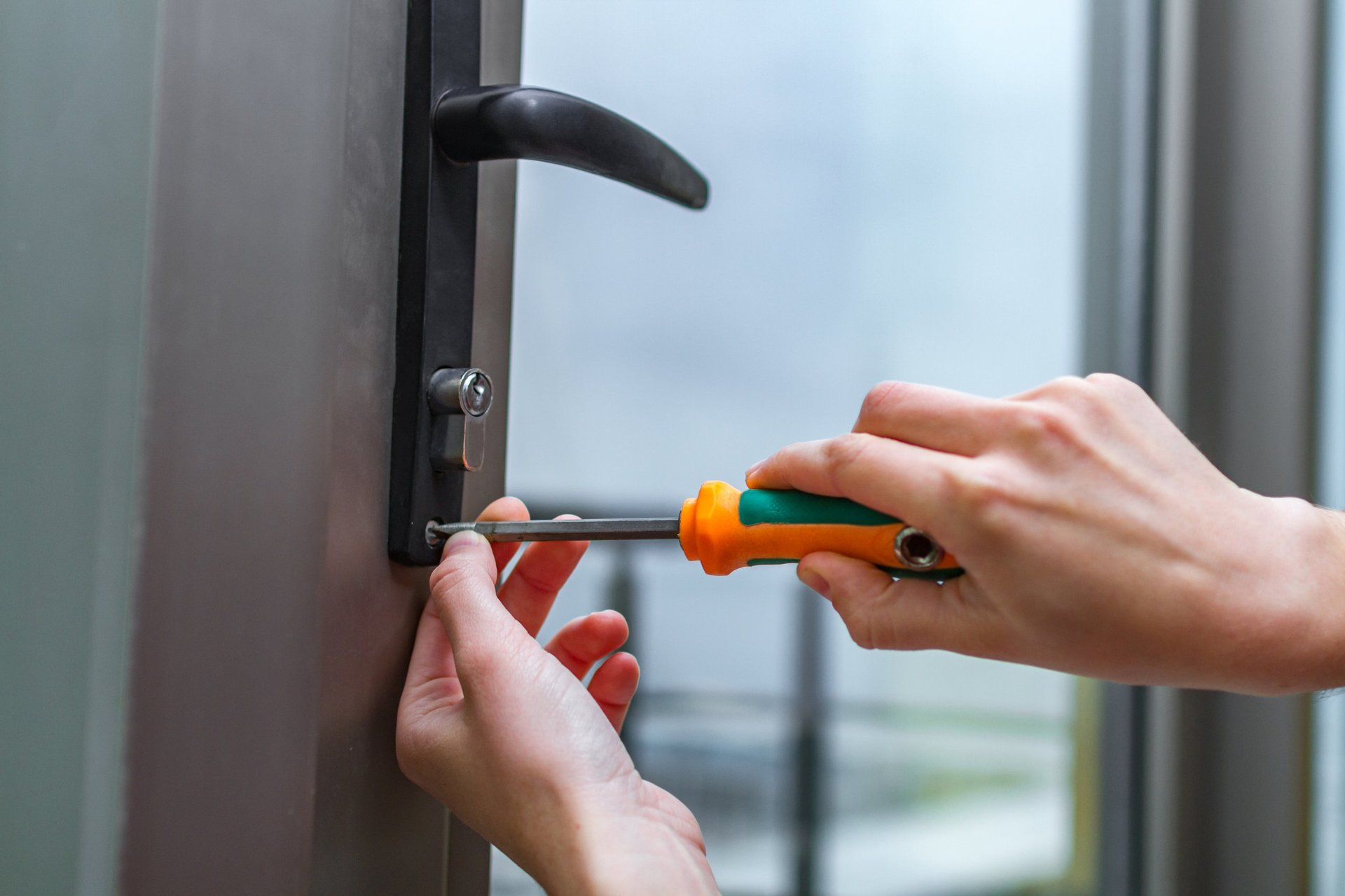
Access control system maintenance inspection on a commercial door

What Maintenance Do Access Control Systems Need?

Less than most building systems, but never none. Strikes and magnetic locks need periodic alignment checks, exit hardware needs testing, keypads wear with use, and power supplies and batteries age silently until the day they fail. An annual professional check catches nearly all of it, and most emergency callouts we attend are faults that a maintenance visit would have found weeks earlier.

Why Access Control Fails Quietly

Access control rarely fails with a bang. It drifts. A magnet holds a little weaker each month as the armature plate works loose. A strike starts catching on a frame that has moved with the seasons. A keypad's most-used digits go soft. A backup battery quietly dies, unnoticed until the first power cut proves it. The system keeps working through all of this, right up until it does not, and the failure day is never a convenient one.

That is why the case for maintenance is not really about the hardware. It is about when you find the fault: on a scheduled visit, or at seven on a Monday morning with staff outside a door that will not open.

What Each Component Needs

Different hardware ages differently. Electric strikes mainly need alignment: doors and frames move, and a strike that no longer seats cleanly wears fast and fails early. Magnetic locks need their mounting checked and the contact faces kept clean, because holding force depends on the magnet and plate meeting flush. Keypads wear on their most-used digits, which incidentally reveals the code to anyone who looks, and is a good prompt to change it. Readers mostly need nothing beyond a clean face and a firm mounting.

Exit hardware is the one category where checking is not optional in any sensible operation: every controlled door's release should be tested regularly, because the exit side has to work every single time. And behind all of it sit power supplies and batteries, the least glamorous components in the system and the source of a remarkable share of its failures.

The Annual Check, and What It Covers

A proper annual visit walks every controlled door and gate. Alignment on strikes and magnets, holding force tested rather than assumed, every exit device released and confirmed, keypads and readers checked and cleaned, wiring connections inspected, power supplies measured, batteries tested under load rather than just looked at, and the system's user list reviewed for leavers who were never removed.

That last item surprises people, but it belongs on the list. The most common security hole in a mature system is not hardware at all. It is credentials that should have died with a staff departure and did not. A maintenance visit is a natural moment to audit that.

Warning Signs Worth Acting On

Some faults announce themselves early if you know the language. A strike that has started buzzing differently, or clicking where it was silent. A door you have to shove or pull to release. A maglock that a firm tug can defeat. A keypad that needs presses repeated. An exit that triggers the alarm on a normal departure, or a system that logs entries at doors nobody used. None of these is cosmetic; each is a component asking for attention before it fails outright.

The rule of thumb: any change in how a door sounds, feels or behaves is worth a call. Diagnosing a drifting fault is quick. Diagnosing a dead one at midnight is not.

What You Can Do Yourself

Plenty, and it costs nothing. Keep magnet and plate faces clean and dry. Keep reader and keypad faces free of grime. Test your exit devices on a schedule and log that you did. Walk your doors monthly and note anything that catches, sticks, buzzes or feels different. Change codes when people leave and on a sensible cycle regardless. Keep the user list current.

What belongs with a professional: anything involving power, wiring, alignment correction, holding force, or the interaction between the lock, the exit hardware and the alarm. We service systems across Austin and Central Texas regardless of who installed them, and a maintenance visit costs a fraction of the emergency call it prevents.

Related Questions

Access Control Maintenance FAQs

Annually for most premises, and more often for high-traffic doors or harsh environments such as exposed gates and industrial units. The schedule should follow use: a door cycling hundreds of times a day ages faster than the calendar suggests.

Changes in sound and feel are the early language of failing hardware: new buzzing or clicking from a strike, a door needing force to release, a weakening magnetic hold, repeated keypad presses, or exits that trigger alarms on normal use. Any of these justifies a look before it becomes a lockout.

The observational layer, yes: cleaning contact faces, testing exits on a schedule, walking the doors monthly and keeping the user list current. Anything involving power, wiring or alignment belongs with a professional, both for safety and because amateur adjustment is a common cause of the faults we get called to.

Substantially. Most access control hardware fails early because of correctable conditions, misalignment and failing power chief among them, rather than because the component reached the end of its design life. Correct those conditions on a schedule and the same hardware serves for years longer.

Book the Visit That Beats the Breakdown

Tell us about your property and what is fitted. We will check every door, tell you what needs attention and what does not, and quote any work with clear pricing and no hidden fees.