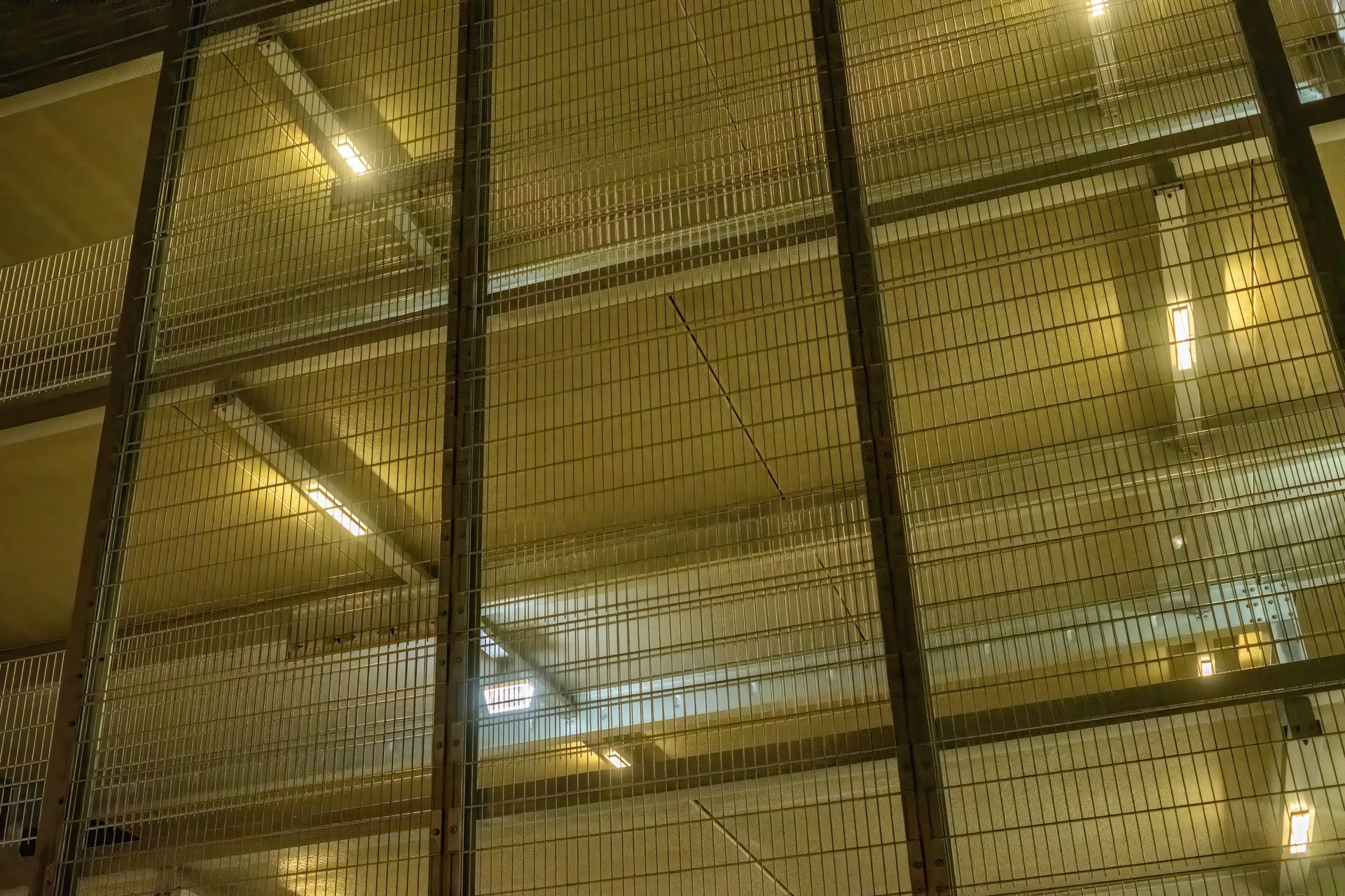
Layers of metal mesh grids protect the floors of a modern building, with lights shining through, creating an industrial and secure atmosphere

What Is the Best Type of Security for a Business?

There is no single best product, because effective security is layers, not a purchase. A sound setup deters what it can, delays what it cannot, detects what gets through and enables a response, and different tools do each job. Access control is usually the core layer for a commercial building, because doors are where risk concentrates, but the honest answer to "which is best" is a design question about your premises, not a product name.

Why Single Products Disappoint

Every security product is sold as the answer, and none of them is. Cameras record what happened but stop nothing physically. Alarms announce a breach after it starts. A strong lock secures one door while the window beside it does not vote. Buy any one of them as your whole strategy and you have bought a single point of failure with a warranty.

The businesses that end up well protected think in terms of what happens in sequence: what makes an opportunist pick a different target, what slows down the determined, what raises the alert, and what happens next. Products are then chosen to fill those roles, which is a very different exercise from choosing a product and hoping it covers them all.

The Four Jobs of Security

Deter, delay, detect, respond. Deterrence is everything visible from outside: controlled entry points, cameras that are obviously present, a premises that looks managed rather than neglected. Delay is physics: hardware, holding force and layout that make getting in slow, noisy and uncertain. Detection is knowing something happened, ideally while it is still happening: alarms, monitored doors, camera events. Response is what the detection triggers: a call, a callout, a recorded timeline that means something afterward.

A gap in any one job undermines the others. Perfect detection with nothing slowing anyone down produces excellent footage of your stock leaving. Superb delay with no detection means you discover the attempt on Monday. The layers are not redundancy, they are a sequence.

What Each Layer Contributes

Access control owns deter and delay at the points that matter most, and contributes detection through its records and monitored doors. It decides who passes each opening, removes the ancient weakness of keys in circulation, and writes down who came through what and when. Cameras own evidence and contribute deterrence; paired with door events they turn an entry log into a visual record. Alarms own detection of what should not be happening: doors forced, doors propped, movement out of hours. Physical fundamentals, decent doors, frames, lighting and sight lines, quietly raise the cost of every attack before electronics get involved.

The joints between layers are where design shows. A door event triggering camera recording, an exit tied into the alarm, a forced door alerting a phone: integration is what turns four products into one system, and our general FAQs cover how those connections work in practice.

Why Doors Are the Core Layer

Nearly every commercial loss path runs through a door somebody could pass. Break-ins, walk-in theft, stock shrinkage, an ex-employee with a key that never came back: the door is the common denominator, which is why controlled entry is usually the layer that repays investment first. It is also the layer that works around the clock without anyone watching a screen, and the one whose records answer questions the other layers can only illustrate.

That is the reasoning, not a sales line: on premises where a different layer genuinely comes first, a yard whose real problem is lighting, a shopfront whose glass is the weakness, we will say so. The free security audit exists to rank your risks honestly, and the ranking drives the recommendation rather than the other way round.

Building Your Stack in the Right Order

Start where your actual losses or realistic risks concentrate, and fund layers in that order. For most commercial premises the sequence runs: control the doors that matter, make sure every controlled door has compliant exit hardware, add detection for out-of-hours and forced entry, then add cameras where evidence and deterrence justify them, integrating each layer with the last as you go.

Then maintain it, because a security stack decays like anything else: codes age, credentials outlive their owners, and hardware drifts. Our guide on what maintenance access control needs covers that side. Built in the right order and kept current, a modest layered setup outperforms an expensive single product every time, and it does so on an ordinary business budget.

Related Questions

Business Security Strategy FAQs

Whatever addresses its most likely loss, which for most commercial premises means controlling the doors where risk concentrates: stock, cash, records and staff-only areas. Cameras and alarms then build on a controlled perimeter rather than compensating for an open one.

They deter opportunists and they document everything, but they physically stop nothing. A camera watching an uncontrolled door records the problem rather than preventing it. Cameras earn their place as a layer alongside controlled entry and detection, not as a substitute for them.

The access system knows the legitimate state of every door, which makes it the perfect informant for the alarm. Doors forced, doors held open and out-of-hours entries can all trigger alerts, while normal comings and goings do not. The pairing kills the false alarms that make standalone systems get ignored.

No. Security that exceeds the risk wastes money, and security that obstructs daily work gets bypassed by your own staff, which is worse than the gap it covered. The aim is proportionate layers that people can live with, which is a design outcome, not a spending level.

Get Your Risks Ranked Honestly

Tell us about your property and we will walk it with you, rank where the risk actually sits, and recommend layers in the order that earns their cost. Free, and with no pressure attached.